






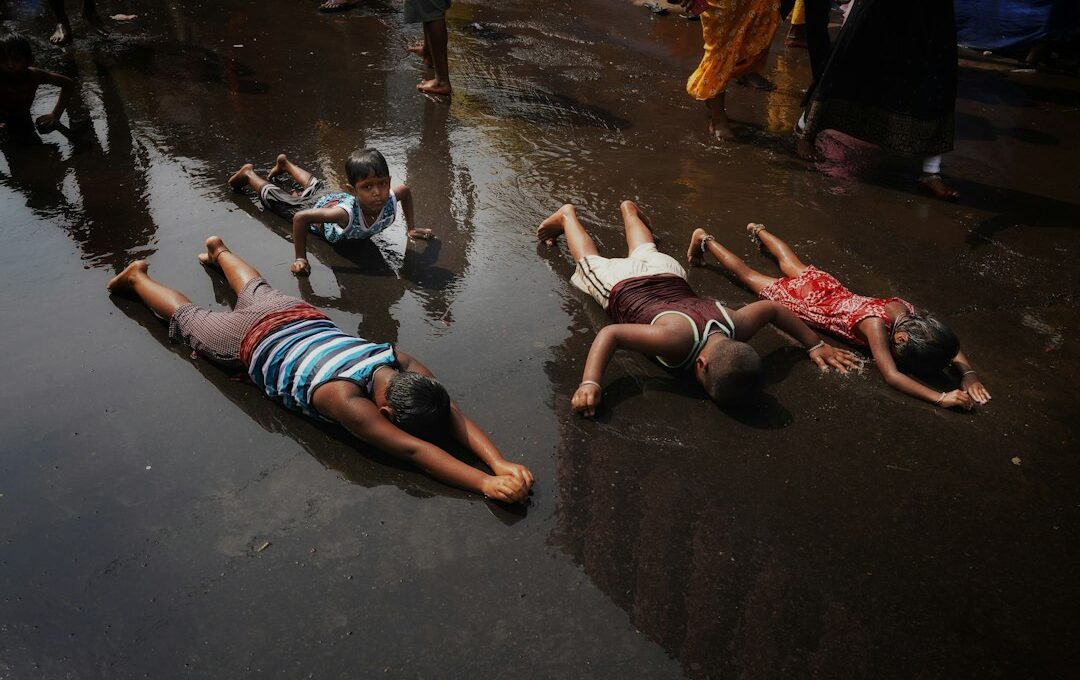
Tamil Nadu is grappling with some of the most intense heat it has experienced in nearly nine years, raising serious concerns about the state’s climate stability, agricultural future, and everyday life for millions of residents. Meteorologists and environmental experts are pointing squarely at the El Niño weather phenomenon as the primary culprit behind this alarming trend.
The unusually high temperatures have not only disrupted daily routines but have also cast a long shadow over the coming summer season. Experts are warning that if the current heat patterns persist, Tamil Nadu could face a significant shortage of tender coconut — a staple cooling drink for residents — by the next summer. Such a shortage would affect both local consumption and the livelihoods of farmers who depend heavily on coconut cultivation.
El Niño, the periodic warming of Pacific Ocean surface temperatures, has already been blamed for swallowing up the monsoon season across large parts of India. Tamil Nadu, which relies on the northeast monsoon for a significant portion of its annual rainfall, received far less precipitation than normal this year. Now, concerns are mounting that even the winter months may offer little relief, with the phenomenon showing no signs of weakening soon.
The agricultural community is bearing the heaviest burden. Farmers across the state are reporting widespread crop damage, with harvests failing due to lack of adequate rainfall and scorching temperatures. Adding to their misery are persistent issues within the crop insurance system, which many say is riddled with administrative delays and inefficiencies. Agriculture professors and experts have publicly voiced frustration, demanding urgent reforms so that struggling farmers can actually receive compensation for their losses.
As climate change continues to amplify the effects of natural weather events like El Niño, both the government and citizens are being urged to take proactive measures — from water conservation and drought-resistant farming practices to stronger policy frameworks that protect vulnerable agricultural communities.
The situation in Tamil Nadu serves as a stark reminder that extreme weather is no longer an occasional disruption but an emerging reality that demands immediate and sustained attention.