





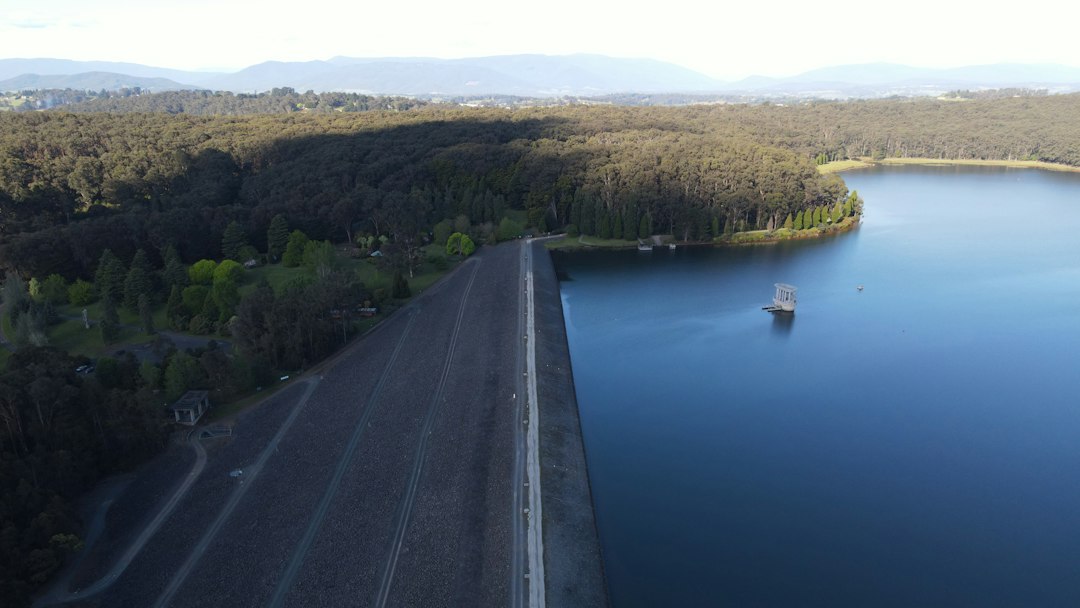
India is facing a severe water crisis as reservoir levels across the country have plunged to their lowest point in ten years, raising serious concerns about drinking water availability and power supply heading into the peak summer months.
The impact of El Niño has been felt sharply across Indian water bodies, with dam and reservoir levels dropping to alarming lows not witnessed in the past decade. Experts warn that the prolonged dry spell and erratic rainfall patterns linked to the climatic phenomenon have severely depleted water storage across multiple states.
In Chennai, the situation is particularly dire. The water reserves in six major lakes that serve as the city’s primary drinking water sources have collectively dropped to just 5 TMC (thousand million cubic feet). This sharp decline has triggered anxiety among residents and water management authorities, who are scrambling to find alternative solutions to meet the city’s growing demand.
The water shortage is also creating a ripple effect on India’s power sector. With hydroelectric generation suffering due to low reservoir levels, the central government has stepped in with urgent directives, ordering coal-fired thermal power plants to operate at full capacity to compensate for the electricity shortfall. This move underscores just how interconnected the water and energy crises have become.
Authorities across states have begun implementing water rationing measures, while experts are calling for accelerated investment in rainwater harvesting, groundwater recharge programs, and improved water distribution infrastructure. Climate scientists have pointed out that without systemic changes in how India manages its water resources, such crises could become more frequent and severe.
As temperatures continue to soar this summer, both urban and rural communities are bracing for tough weeks ahead. Officials are urging citizens to use water responsibly and report leakages promptly, as every drop saved could make a meaningful difference during this critical period.