






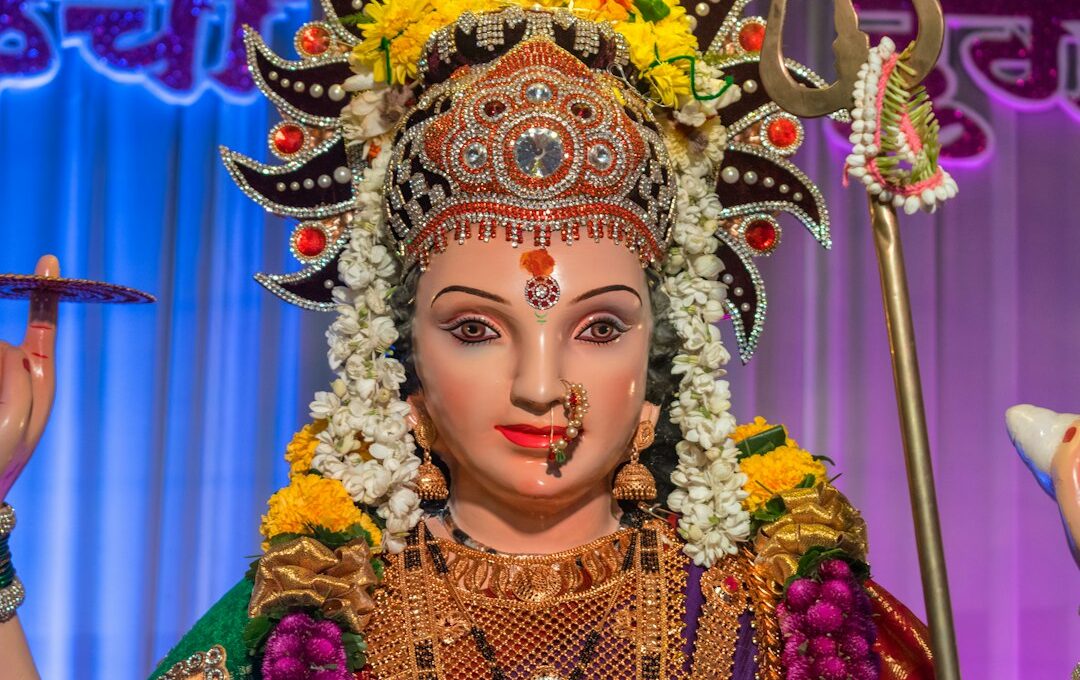
Across India, millions of devotees are once again turning their hearts and voices toward one of the most beloved devotional rituals in Hindu tradition — the Aarti of Radha Rani. The topic has surged on Google Trends in India, reflecting a deep and enduring spiritual connection that people feel toward Radha, the divine consort of Lord Krishna.
Radha Rani, revered as the embodiment of pure love and devotion, holds a central place in Vaishnava traditions, particularly among followers of the Braj region encompassing Mathura, Vrindavan, and Barsana. Her Aarti, a ceremonial act of worship performed with lighted lamps and devotional songs, is considered one of the most sacred rituals in these communities.
The Aarti dedicated to Radha Rani is typically performed during morning and evening prayer sessions at temples, especially at the famous Radha Rani Temple in Barsana, Uttar Pradesh. Devotees gather in large numbers to participate in this ritual, singing hymns that praise her grace, beauty, and unconditional love for Krishna. The atmosphere during these Aartis is described by worshippers as deeply moving and spiritually uplifting.
The recent spike in online searches suggests that devotees, both young and old, are increasingly looking for lyrics, video recordings, and guided versions of the Aarti to participate from their homes. This trend has been further amplified by the growing popularity of devotional content on streaming platforms and social media channels.
Religious scholars note that Radha Rani’s Aarti is more than just a ritual — it is an expression of Bhakti, or loving devotion, which lies at the heart of Krishna worship. Singing or listening to her Aarti is believed to bring peace, blessings, and spiritual merit to the devotee.
As India continues to embrace its rich spiritual heritage in both traditional and digital spaces, the rising interest in Radha Rani Ki Aarti stands as a beautiful reminder of the timeless bond between faith and culture.